

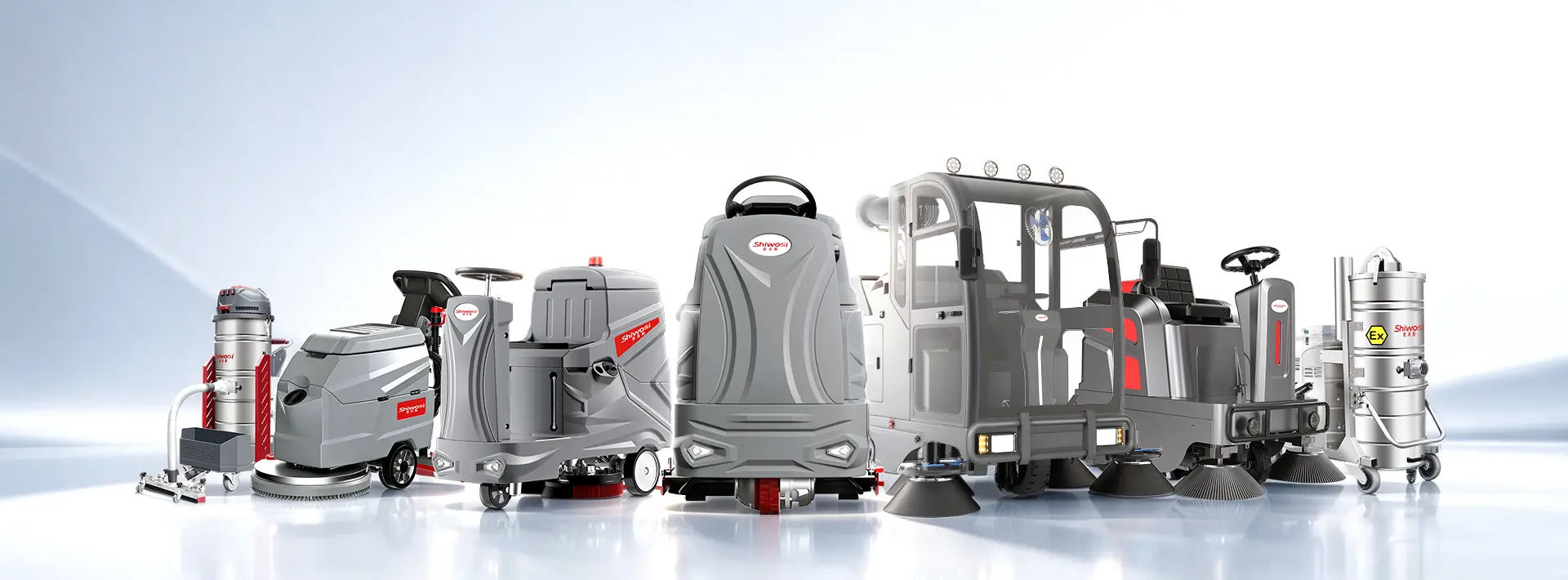
Manufacturer selection page
Nass- und Trockensauger für Industrie
Vergleichen Sie industrielle Nass-Trockensauger von SHIWOSI für Werkstattabfälle, Späne und geeignete Flüssigkeiten. Konfiguration und Export direkt vom Hersteller.
Manufacturer selection page
Vergleichen Sie industrielle Nass-Trockensauger von SHIWOSI für Werkstattabfälle, Späne und geeignete Flüssigkeiten. Konfiguration und Export direkt vom Hersteller.
Application-led selection
Vergleichen Sie industrielle Nass-Trockensauger von SHIWOSI für Werkstattabfälle, Späne und geeignete Flüssigkeiten. Konfiguration und Export direkt vom Hersteller.
Available configurations
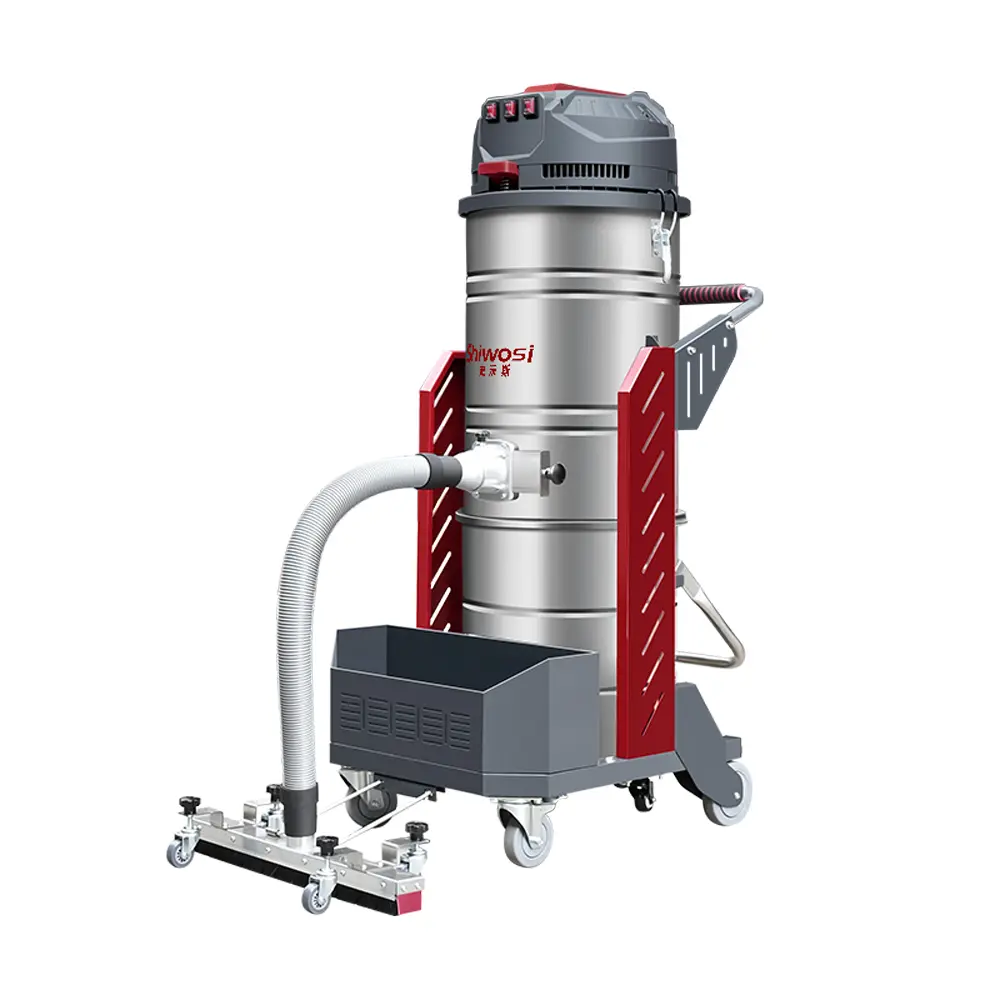
Industrieller 220-V-Nass- und Trockensauger mit getrenntem Sammel- und Filterbehälter, drei Motoren mit 4,8 kW sowie 20 kPa Saugleistung.
View specifications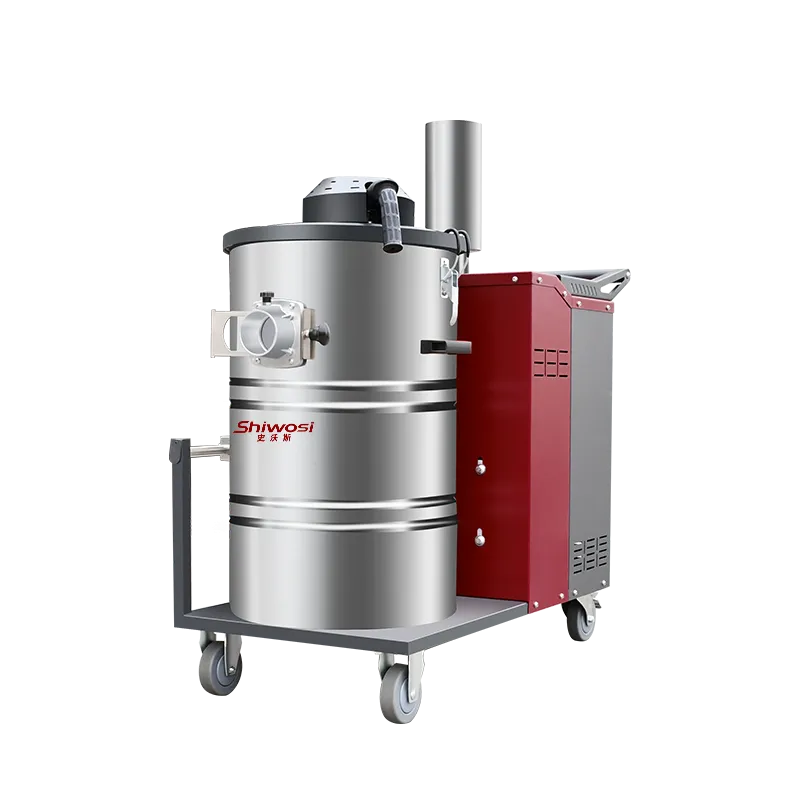
Vielseitiger Nass- und Trockensauger mit Staubfiltration der Klasse H für feine und grobe Feststoffe, Schmutz sowie verunreinigte Flüssigkeiten.
View specifications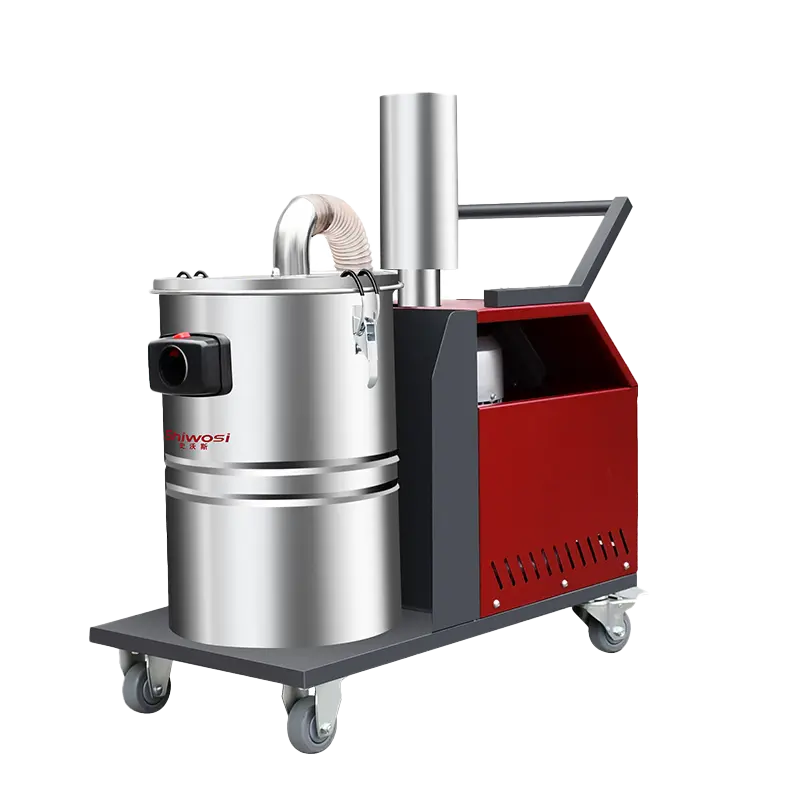
Leistungsstarker 380-V-Nass- und Trockensauger mit H-Klasse-Staubfiltration für feine und grobe Feststoffe, Schmutz und verunreinigte Flüssigkeiten.
View specifications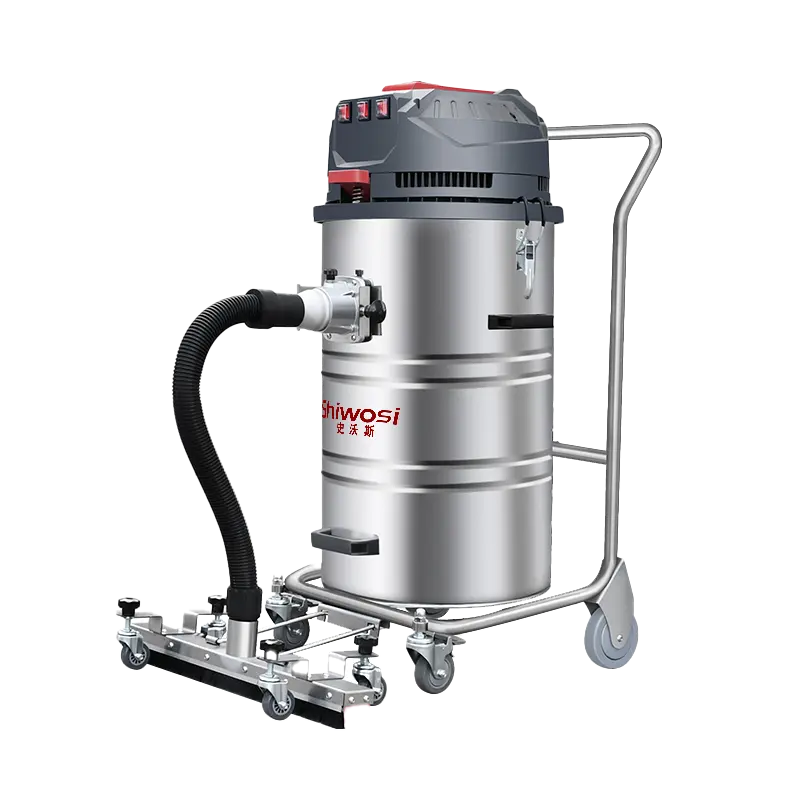
Einphasiger 4,8-kW-Industriesauger mit drei unabhängig steuerbaren Motoren und dreistufiger Filtration für Nass- und Trockeneinsatz.
View specifications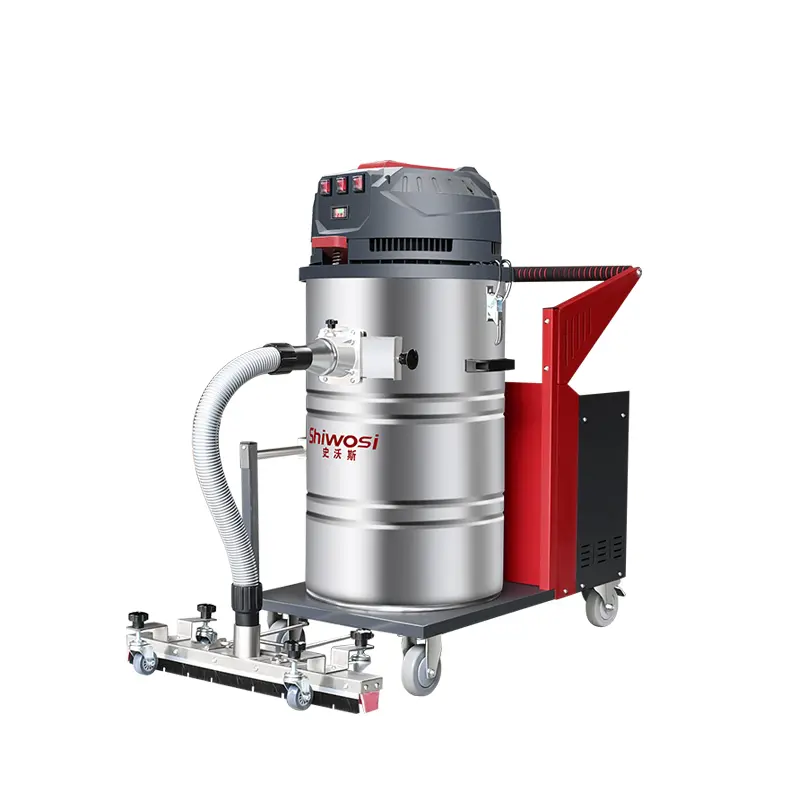
Kompakter akkubetriebener Nass- und Trockensauger für die mobile Aufnahme feiner und grober Materialien in industriellen Bereichen.
View specificationsWet and dry industrial vacuums can collect compatible solids and liquids, but selection must begin with the material, filtration requirement, collection method, power supply and duty cycle.
Fine dust, metal chips, packaging debris, water, coolant and oil-contaminated material behave differently in a hose and collection tank. Provide particle size, density, temperature, moisture and expected volume per shift.
General wet and dry capability does not make a machine suitable for flammable liquids, combustible dust, hot material or a classified hazardous area. Those applications require a separate risk and compliance assessment.
Airflow carries material, while vacuum pressure helps overcome resistance and lift dense debris. Long hoses, small diameters, bends and loaded filters reduce performance. Motor power alone does not describe how the complete system will work.
Explain pickup distance, vertical lift, hose diameter and whether the vacuum connects to a machine tool or is used for mobile cleanup.
Fine dry dust needs adequate filter area, efficiency and a suitable cleaning method. Wet pickup needs a compatible separation or shutoff arrangement so liquid does not damage the filter or vacuum system.
When changing from wet to dry collection, cleaning and drying procedures may be required. Confirm filter replacement, disposal and inspection requirements for the exact model.
A larger stainless-steel tank may reduce emptying frequency, but filled weight and drainage access must remain manageable. Compare removable bins, drain hoses, tipping systems and chip-separation accessories.
For a supplier quotation, provide the material, operating hours, local voltage, destination, quantity and required accessories. Confirm whether the quoted machine includes hoses, tools, filters, plugs, documents and recommended spare parts.
Related Resources
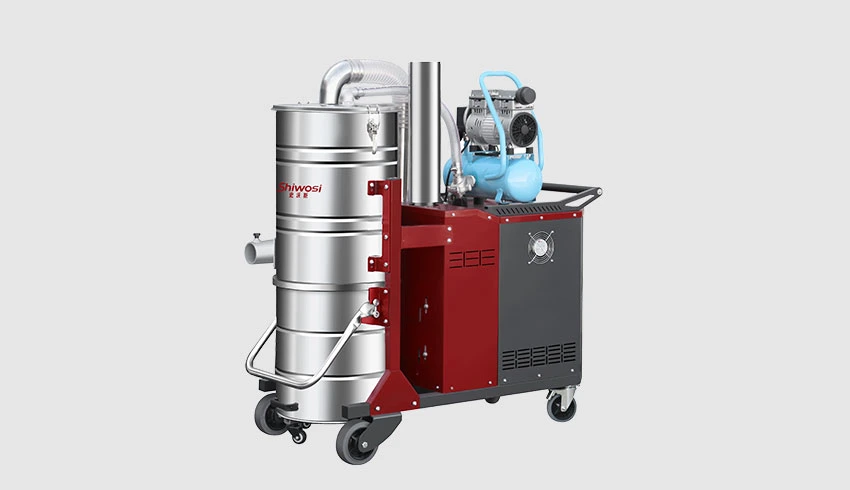
Choose an industrial vacuum for machine-shop chips, coolant and dust. Compare collection systems, filtration, duty limits and practical acceptance checks.
Read guide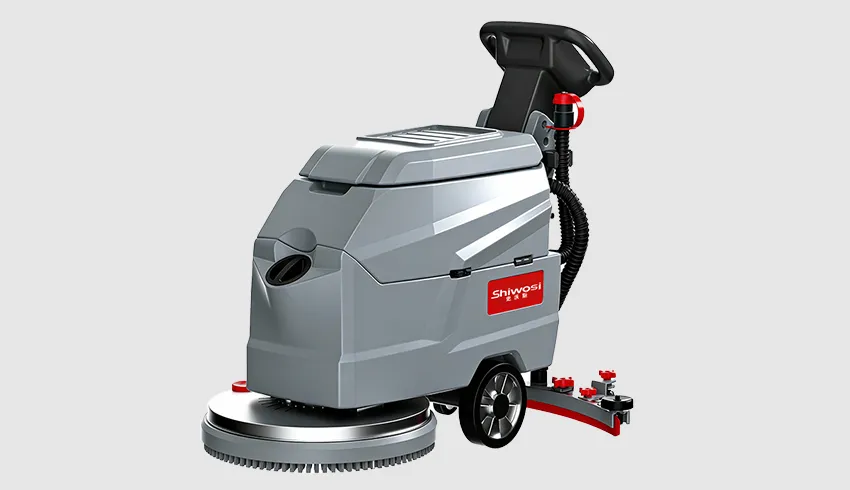
US-Händlerpreise für 2026 im Vergleich mit dem bestätigten FOB-Basispreis der V4. Erfahren Sie, welche Ausstattung und Lieferbedingungen den Preis beeinflussen.
Read guide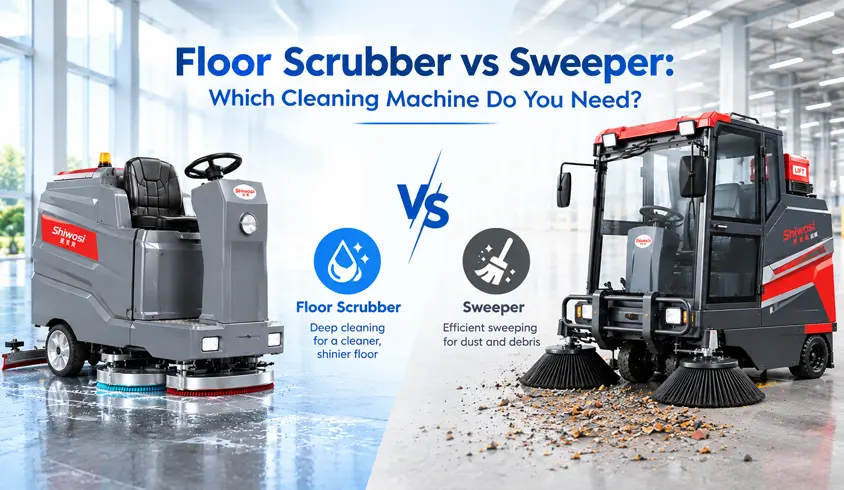
Vergleichen Sie Industriescheuersaugmaschinen und Kehrmaschinen nach Schmutzart, Bodenbelag, Reinigungsverfahren und Betriebsablauf.
Read guideDirect manufacturer support
Send the application, required documents, quantity and destination. Export sales will narrow the model range and quotation scope.