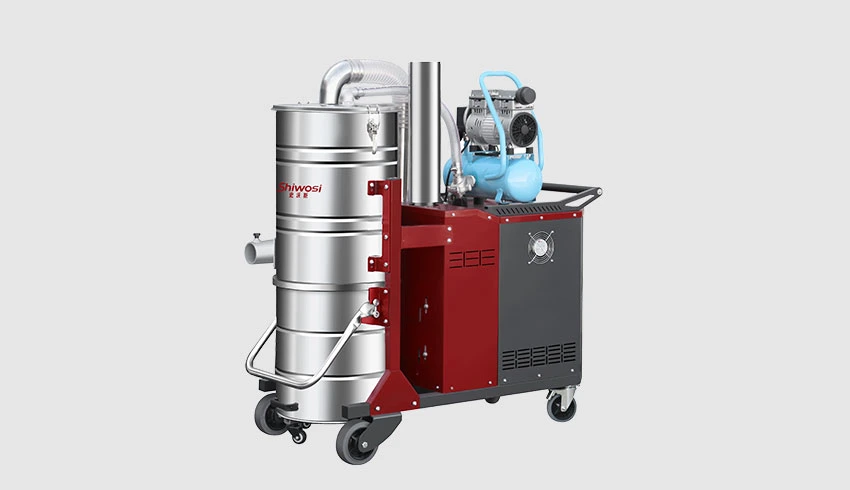

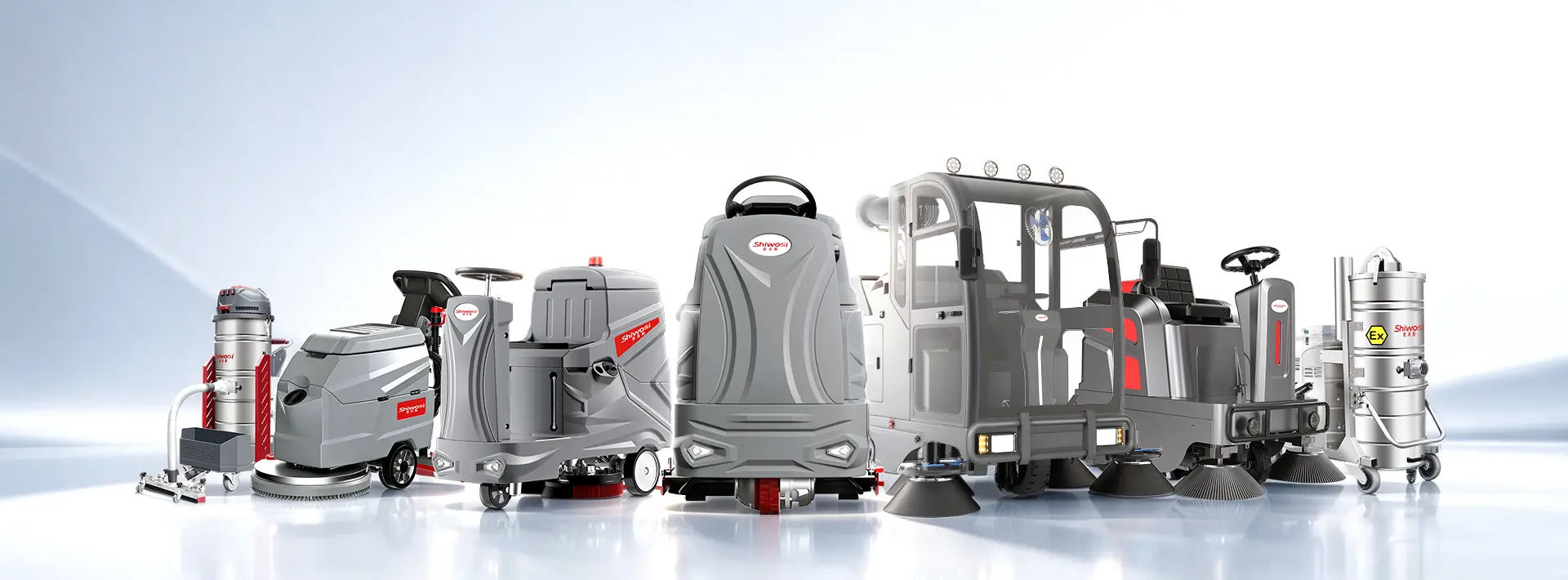
Explosion-proof vacuum selection is a safety and compliance task, not a marketing-label decision. The dust, process, classified area and destination regulations must be reviewed before a model or electrical configuration is accepted.
Start with a dust hazard assessment
The facility is responsible for identifying combustible or hazardous materials and the conditions in which they are released. Obtain the safety data, particle characteristics and any dust explosibility test results. Involve the site's safety team or a qualified specialist.
Material identity and particle size
Minimum ignition energy and other available test data
Normal and abnormal dust release
Existing zoning or area-classification documents
Match the complete machine to the area
A motor described as explosion-proof does not automatically make the complete vacuum suitable. Electrical parts, grounding, hoses, filters, containers and accessories all contribute to the system. Certification must cover the exact model, configuration, gas or dust group, temperature class and intended zone where required.
Exact certification document and issuing body
Model number and option codes on the certificate
Permitted zone, group and temperature limits
Destination-country acceptance requirements
Control static and dust release
Conductive or antistatic components, bonding and grounding can be essential parts of the risk-control strategy. The collection and disposal method should minimize dust clouds when filters or containers are handled.
Grounding path through machine, hose and tools
Sealed collection and disposal method
Filter efficiency and safe replacement procedure
Inspection of wear that could interrupt conductivity
Define duty and performance
After safety requirements are established, compare airflow, vacuum pressure, hose route, collection rate and duty cycle. Continuous extraction and mobile cleanup may require different machines. Avoid changing filters, hoses or accessories without reviewing their effect on approval and performance.
Intermittent or continuous duty
Pickup distance and hose diameter
Expected dust volume per shift
Power supply or compressed-air availability
Documentation before purchase
Request the declaration or certificate, technical file references available to the buyer, operating manual, maintenance requirements and spare-parts list. Confirm in writing that the quoted configuration matches the assessed material, area and destination. If the scope cannot be verified, do not represent the machine as approved for that application.
Selection note: Final machine specifications, accessories and conformity documents should be confirmed for the selected model and destination before ordering.