

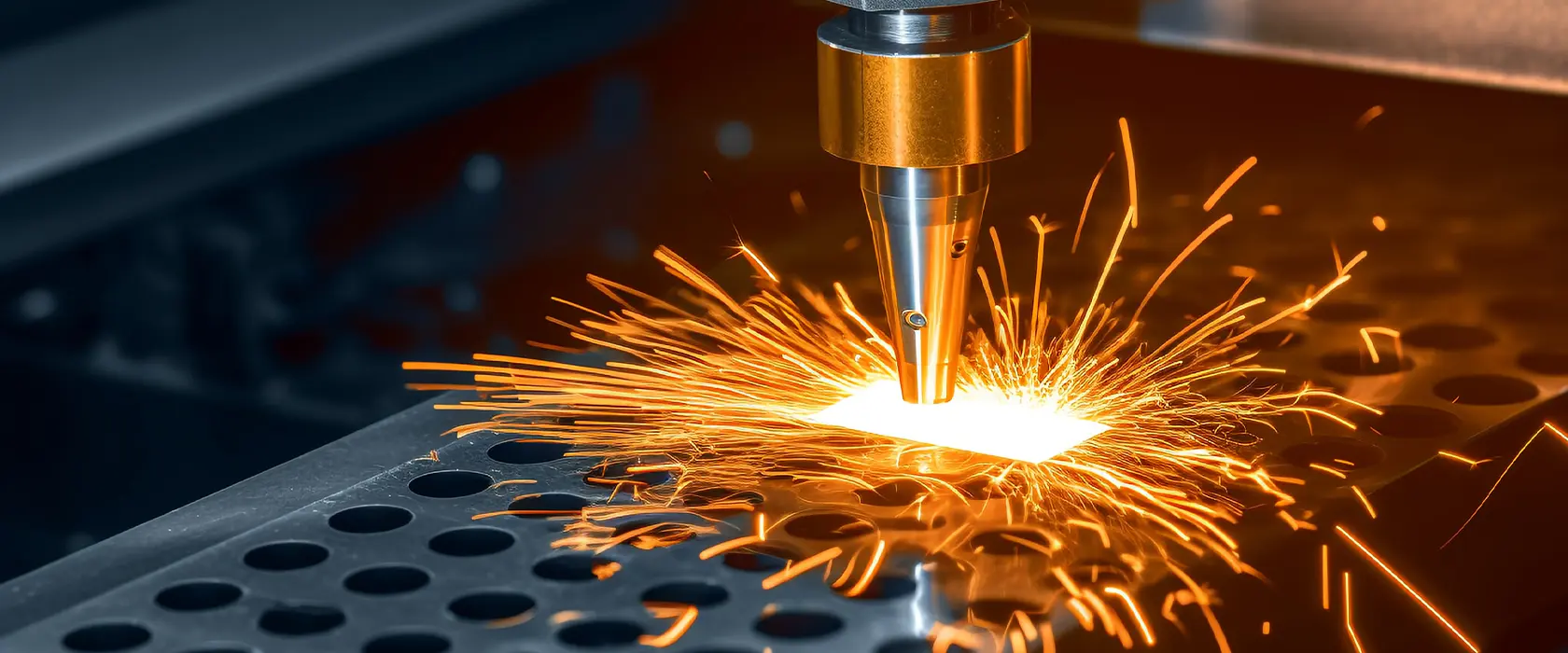
Manage chips, fines and process residue.
Metalworking and machining areas may produce coarse swarf, fine particles, grinding dust, cutting fluid and mixed waste. These materials behave differently during collection, and the right cleaning equipment depends on the material and the process rather than motor power alone.
Separate floor cleaning from machine-tool extraction
Industrial vacuums can support compatible point cleanup or collection tasks. Sweepers may help with suitable loose debris across larger floor areas, while scrubber dryers address washable floor soil. A floor-cleaning machine should not be treated as a substitute for a machine-tool extraction system unless its configuration has been designed and confirmed for that use.
Check material, filtration and collection
- Identify particle size, temperature, moisture, oil content and expected volume.
- Confirm wet or dry pickup, filter type and cleaning method, separation needs and container emptying.
- Review hose length, access, duty cycle, power supply and maintenance requirements.
Assess combustible or hazardous dust separately
Some metal dusts and process materials can create additional fire or explosion risks. A general industrial vacuum is not automatically suitable for combustible dust or a classified area. Have the site safety requirements assessed and verify the exact model, certificate scope, filtration and accessories before purchase.