

Manufacturer selection page
Ride-On Floor Scrubbers
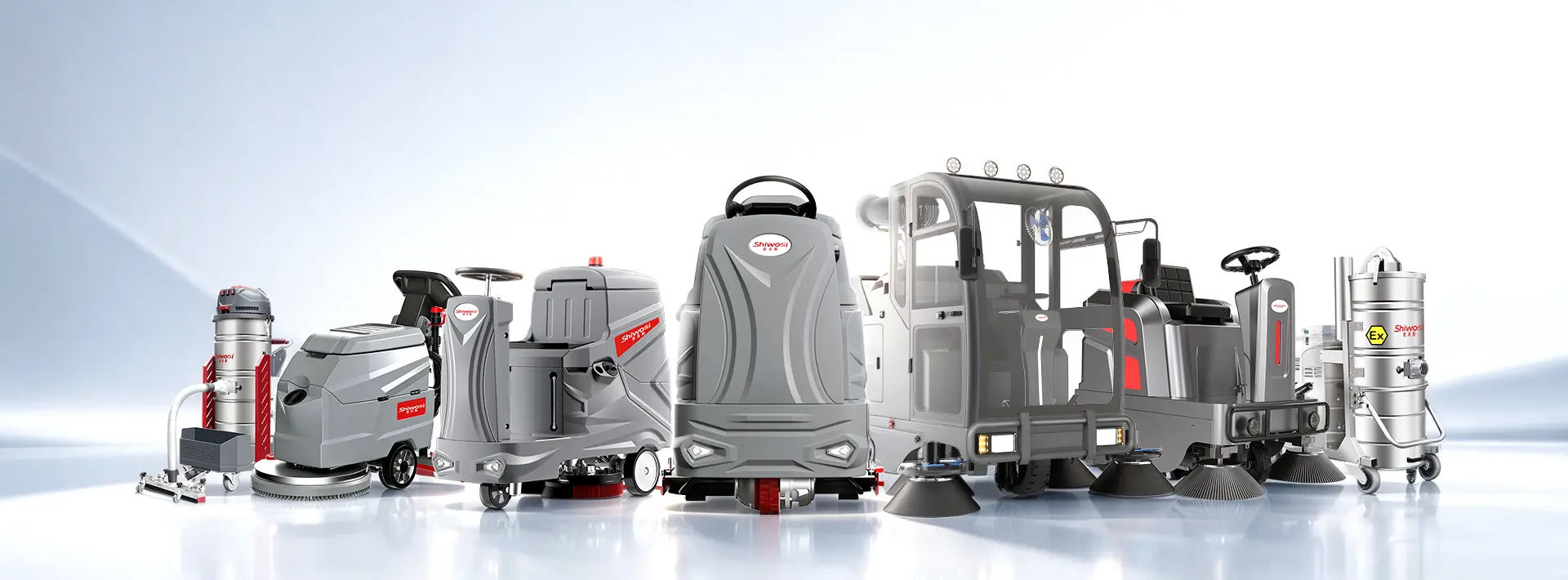
Compare SHIWOSI ride-on floor scrubbers for warehouses, factories and commercial facilities. Manufacturer support for configuration, OEM and export supply.
Manufacturer selection page
Compare SHIWOSI ride-on floor scrubbers for warehouses, factories and commercial facilities. Manufacturer support for configuration, OEM and export supply.
Application-led selection
Compare SHIWOSI ride-on floor scrubbers for warehouses, factories and commercial facilities. Manufacturer support for configuration, OEM and export supply.
Available configurations
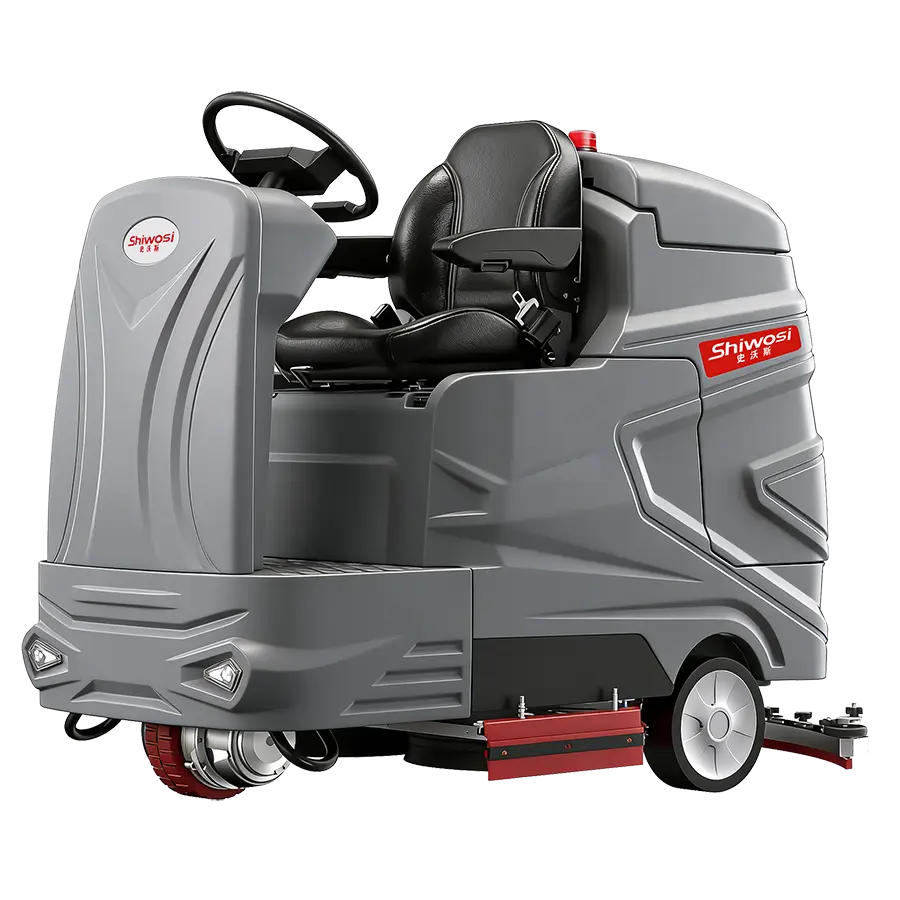
Large ride-on floor scrubber rated at 9,800 m2/h, with 280/300 L tanks, 1,380 mm squeegee and 6-8 hour estimated runtime.
View specifications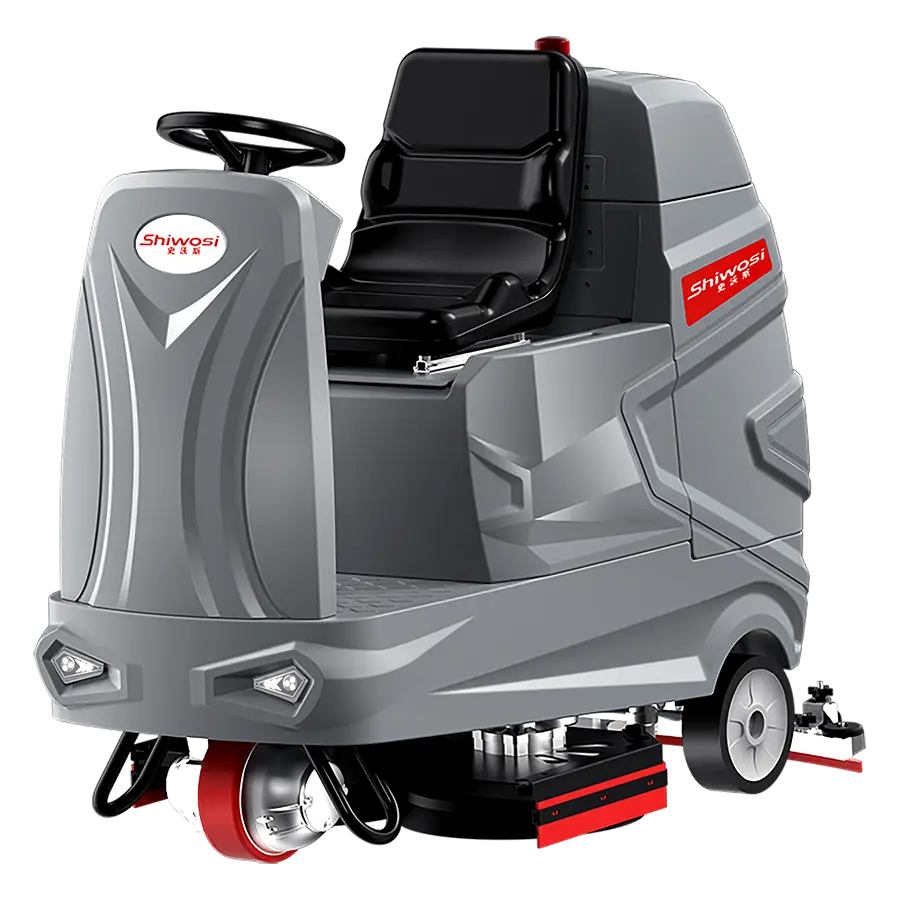
Ride-on floor scrubber rated at 7,500 m2/h, with 150/160 L tanks, 910 mm cleaning path, 1,200 mm squeegee and 5-6 hour estimated runtime.
View specifications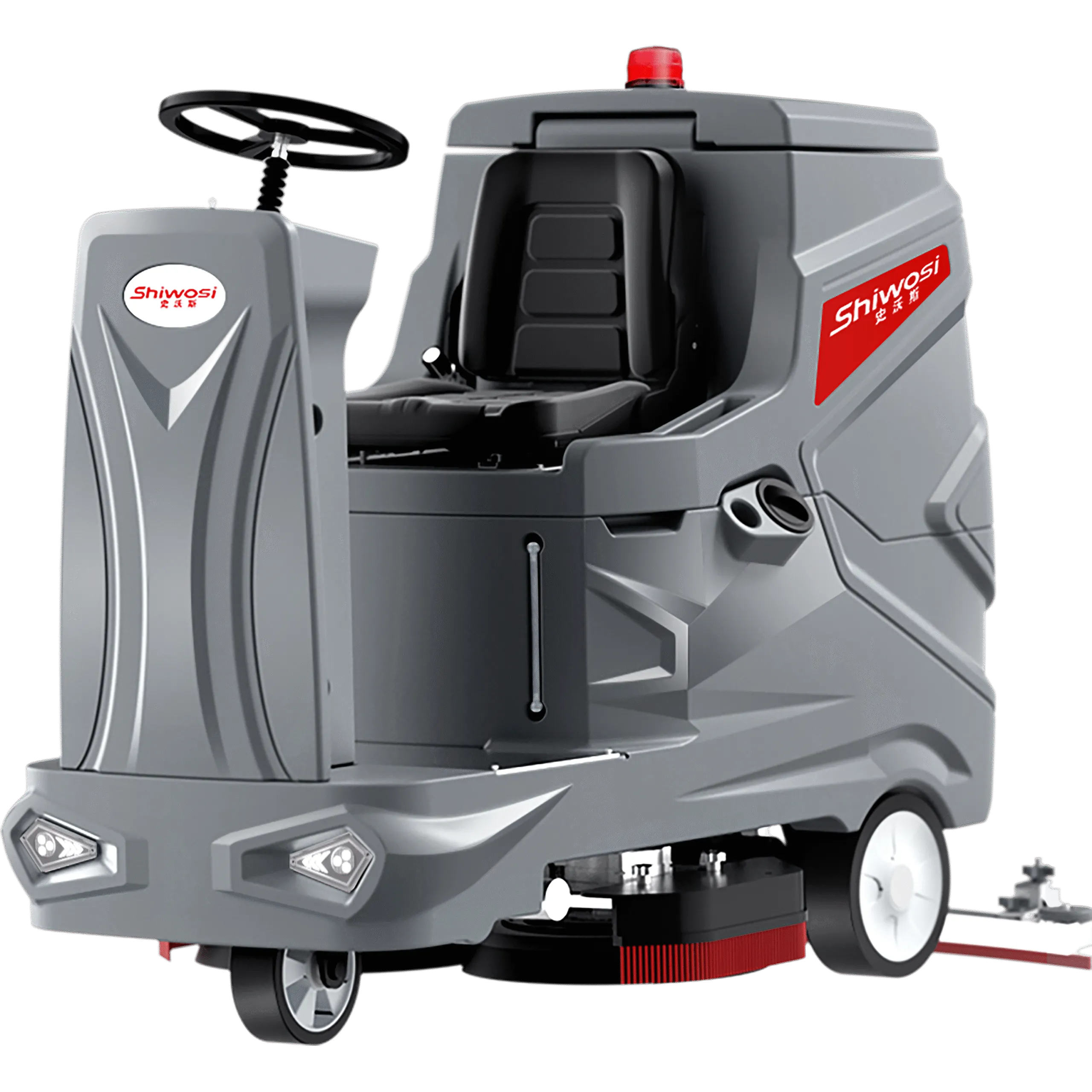
Ride-on scrubber dryer rated at 6,500 m2/h, with 120/130 L tanks, 1,100 mm squeegee and four-hour runtime.
View specifications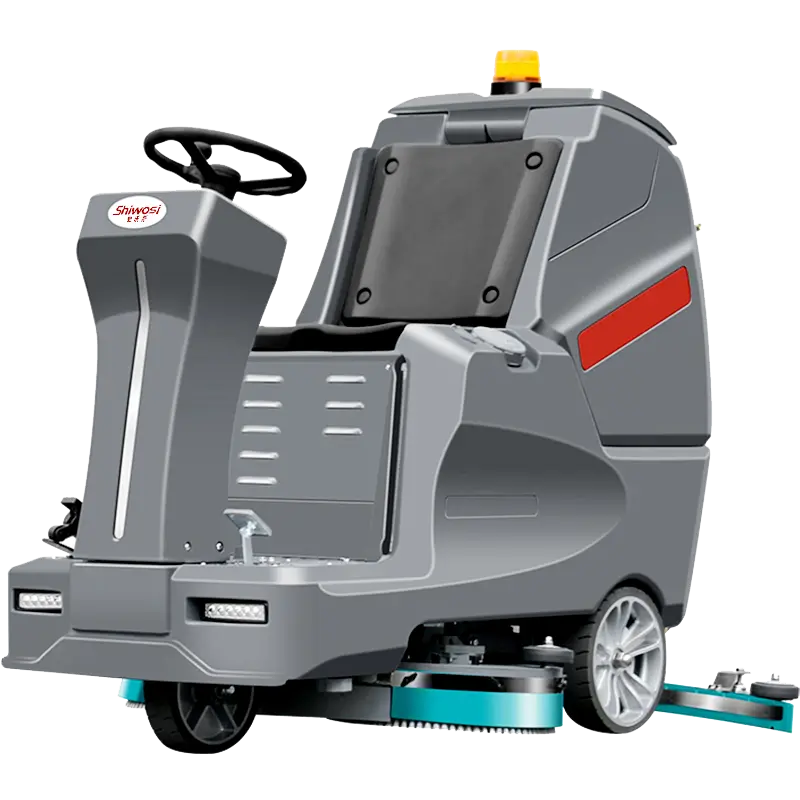
Ride-on floor scrubber rated at 7,680 m2/h, with 150/160 L tanks, 910 mm cleaning path, 1,350 mm squeegee and four-hour estimated runtime.
View specifications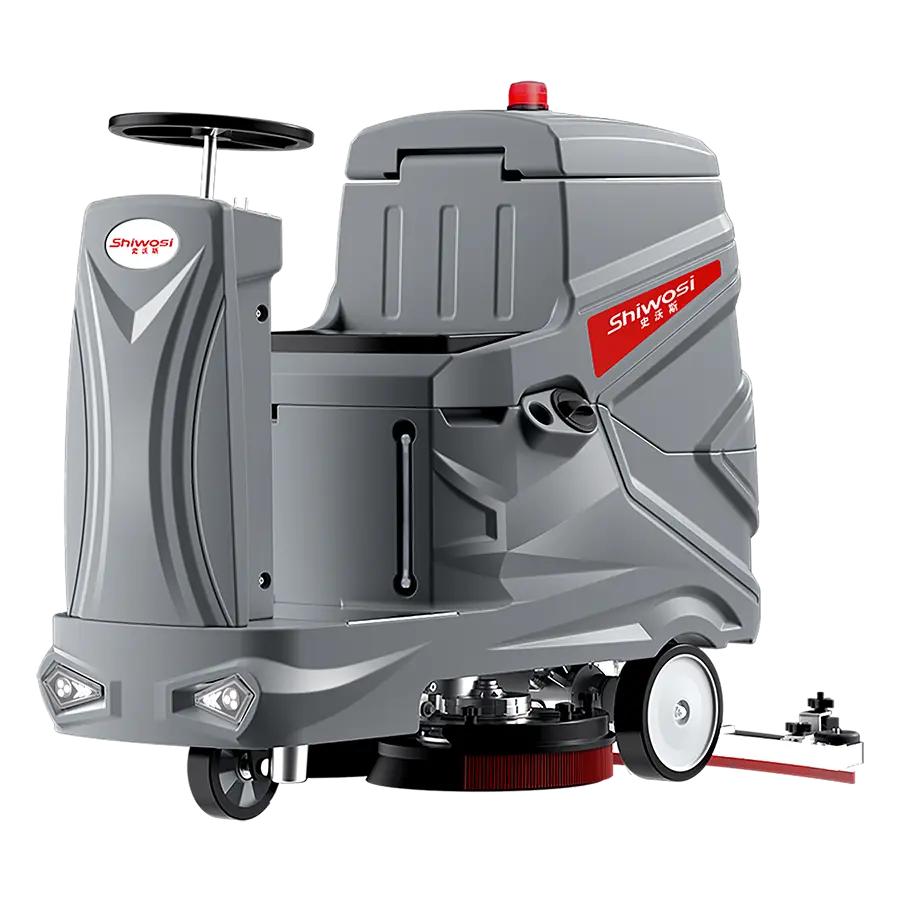
Compact ride-on scrubber dryer rated at 4,000-4,500 m2/h, with 90/95 L tanks and 1,000 mm squeegee.
View specifications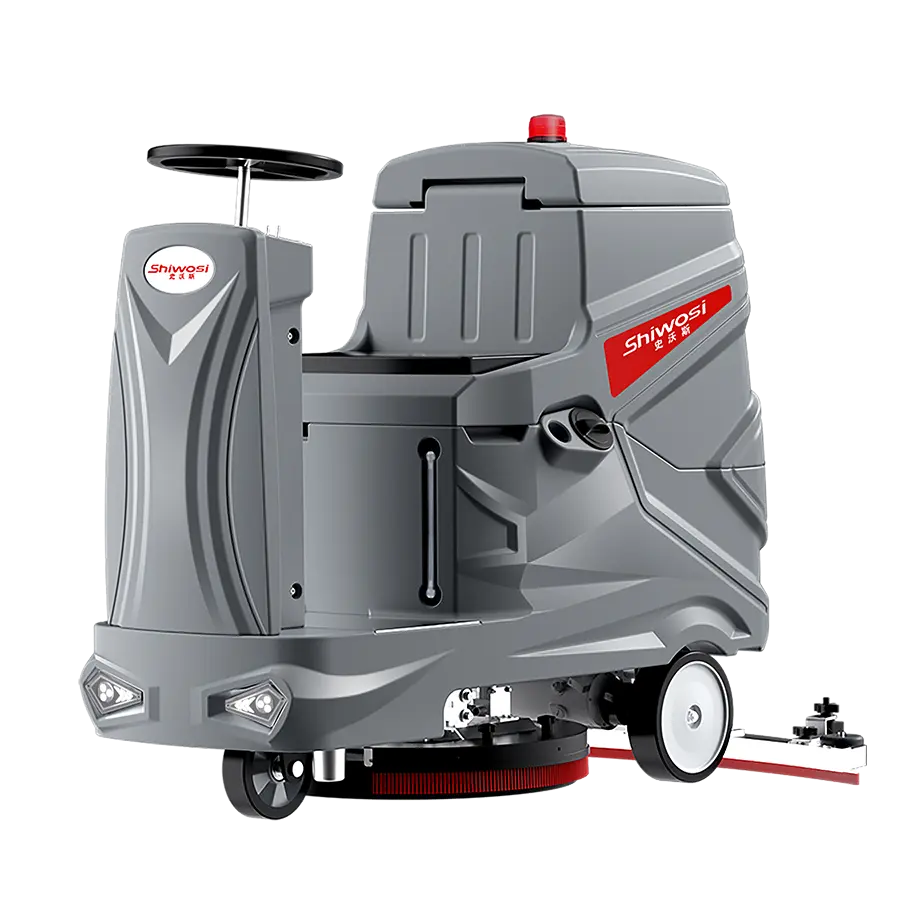
Compact ride-on scrubber dryer rated at 4,000-4,500 m2/h, with 90/95 L tanks, 35 kg brush pressure and four-hour runtime.
View specificationsRide-on floor scrubbers combine solution application, brush agitation and dirty-water recovery in one pass. They are commonly selected when open-floor productivity, operator workload and tank capacity matter more than compact access.
A ride-on machine is most useful where the operator must cover long aisles or large open areas during a defined cleaning window. Warehouses, factories, shopping centers, airports and parking facilities often benefit from the seated operating position and larger tank capacity.
Building size alone is not enough to justify a ride-on scrubber. Measure the cleanable area, narrowest aisle, doors, ramps, elevators and turning points. A large facility divided by racks or production equipment may still require a compact model.
Catalog productivity is normally based on working width and travel speed. Real output is lower because the operator turns, overlaps passes, slows around traffic, refills solution and empties the recovery tank. Compare machines using the time available at the actual site.
Working width must also fit the route. A wider deck can improve output in open space but may reduce access around racks, columns and narrow transfer points.
Battery runtime should cover the intended route with a sensible operating reserve. Brush pressure, floor friction, gradients, temperature and battery age can change practical runtime. Confirm battery chemistry, capacity, charger input and charging procedure for the quoted configuration.
Large tanks reduce interruptions, but water recovery is equally important. Squeegee setup, blade condition, vacuum performance and floor flatness determine how quickly the area can return to traffic.
Send the floor material, cleanable area, aisle width, soil type, gradients, daily working hours, local voltage, destination and quantity. Photos, short videos or a floor plan allow the supplier to compare realistic models rather than recommend only by tank size.
For OEM or distributor orders, confirm branding, color, documentation, spare-parts packages, packing, inspection and delivery terms before production.
Related Resources
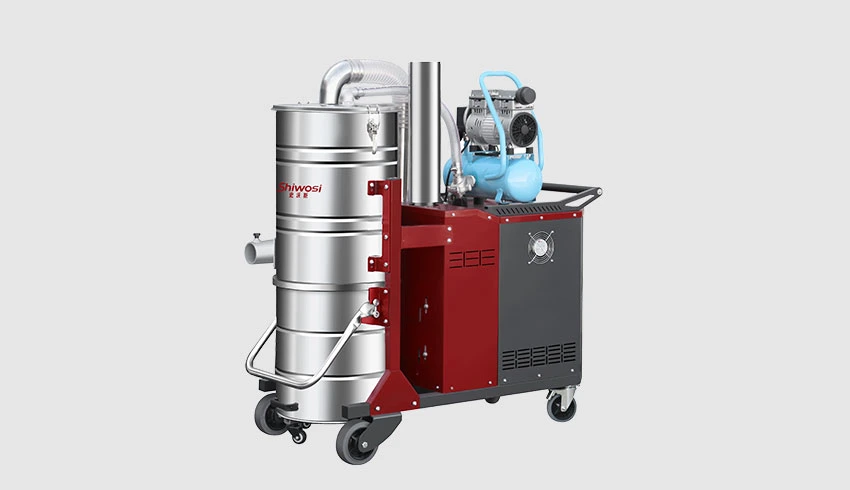
Choose an industrial vacuum for machine-shop chips, coolant and dust. Compare collection systems, filtration, duty limits and practical acceptance checks.
Read guide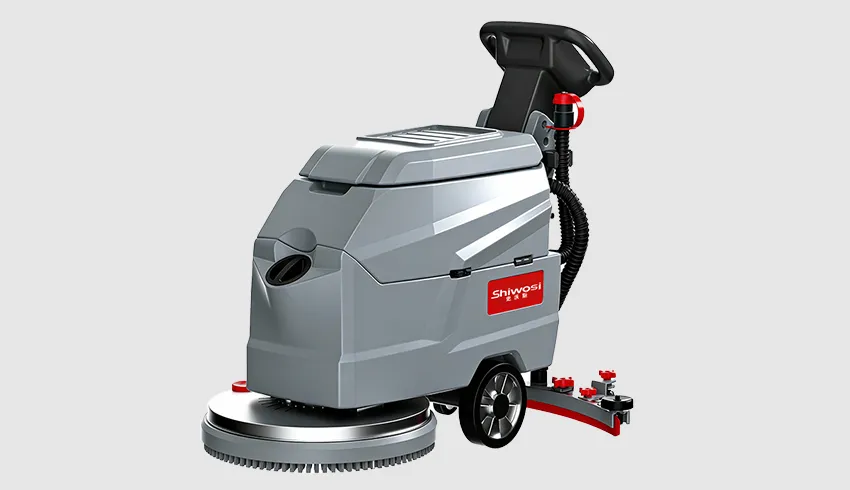
Compare 2026 U.S. dealer price benchmarks with a confirmed V4 base-configuration FOB reference, and learn which machine and quote details affect warehouse floor scrubber cost.
Read guide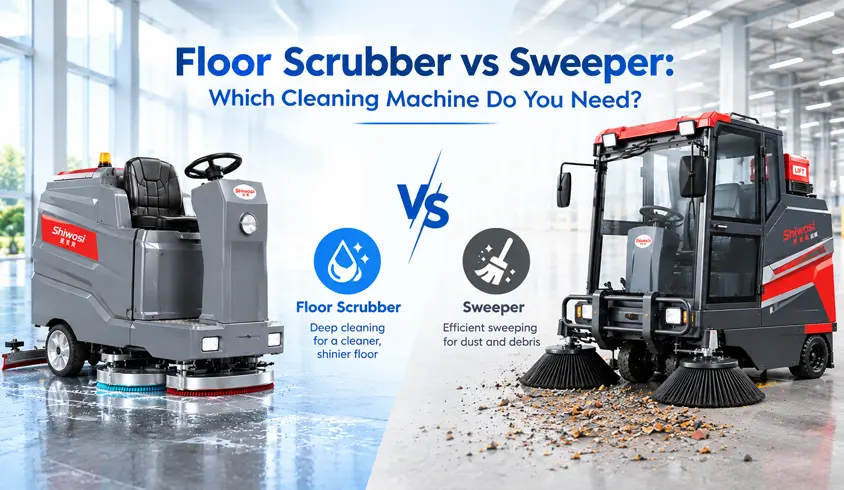
Compare industrial floor scrubbers and sweepers by debris type, floor condition, cleaning process and facility workflow.
Read guideDirect manufacturer support
Send the application, required documents, quantity and destination. Export sales will narrow the model range and quotation scope.