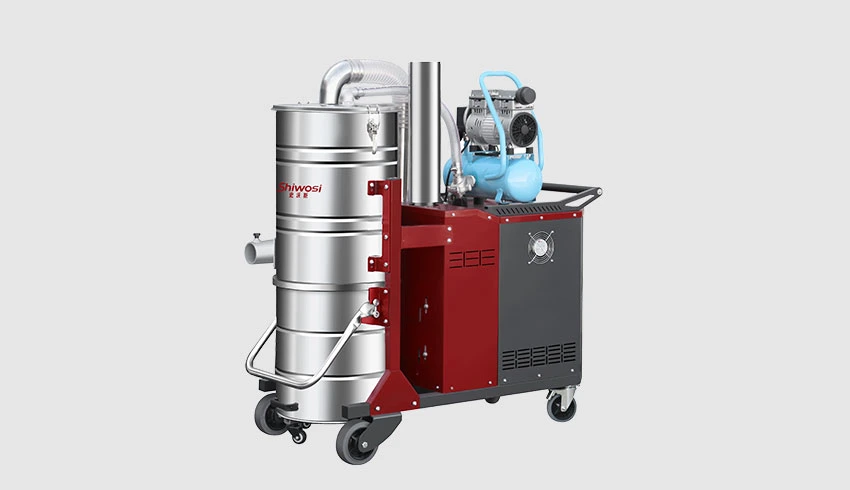

Wet and dry capability does not mean every liquid or dust is safe to collect. The material, filter arrangement, container, seals and disposal method must all be compatible with the task.
Define wet, dry and mixed tasks
Some sites collect dry debris during normal production and occasional water during maintenance. Others handle coolant, oil-contaminated chips or slurry. Explain whether liquids and solids arrive separately or together because this changes filtration and emptying requirements.
Type and volume of liquid
Particle size and density of solids
Chemical compatibility and temperature
Frequency of switching between wet and dry pickup
Protect the filtration system
Dry filters can be damaged or blocked if liquid reaches them. Wet pickup requires an appropriate shutoff or separation arrangement. Before returning to dry collection, the machine and filters may need cleaning and drying according to the manufacturer's procedure.
Confirm wet-pickup configuration
Check liquid shutoff or level control
Understand filter removal and drying
Use the correct filter for fine dry dust
Plan container emptying
A large tank reduces interruptions but can become difficult to move when filled with dense liquid or slurry. Review drain hoses, tipping systems, removable bins and lifting assistance. Disposal must follow site and local environmental rules.
Maximum manageable filled weight
Drain location and hose access
Separation or recovery of coolant and oil
Cleaning access inside the container
Check materials and accessories
Stainless-steel construction can improve resistance for some applications, but the exact grade, seals and hoses still need compatibility review. Floor tools, squeegee tools, crevice tools and chip baskets should match the material and cleanup method.
Container and seal compatibility
Antistatic requirements where applicable
Hose diameter for chips or dense material
Accessories included in the quoted package
Important safety boundary
Do not use a general wet and dry vacuum for flammable liquids, explosive atmospheres, hot material or hazardous dust unless the complete machine is specifically assessed and approved for that duty. Provide material and area information to a competent supplier before selection.
Selection note: Final machine specifications, accessories and conformity documents should be confirmed for the selected model and destination before ordering.